10 minute read
HOW MUCH DOES DOG GROOMING COST?
The real ingredients of a grooming price, from coat type and matting to temperament, and how to keep costs manageable.
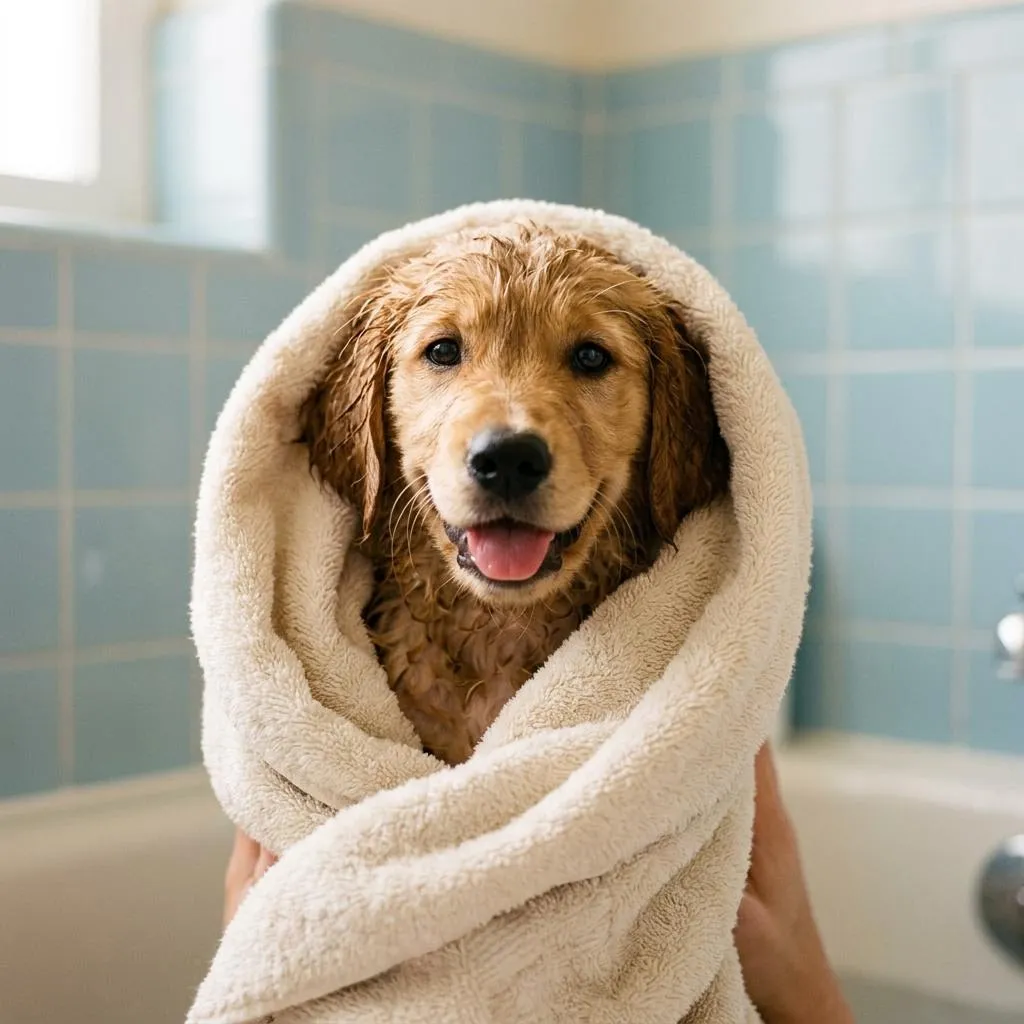
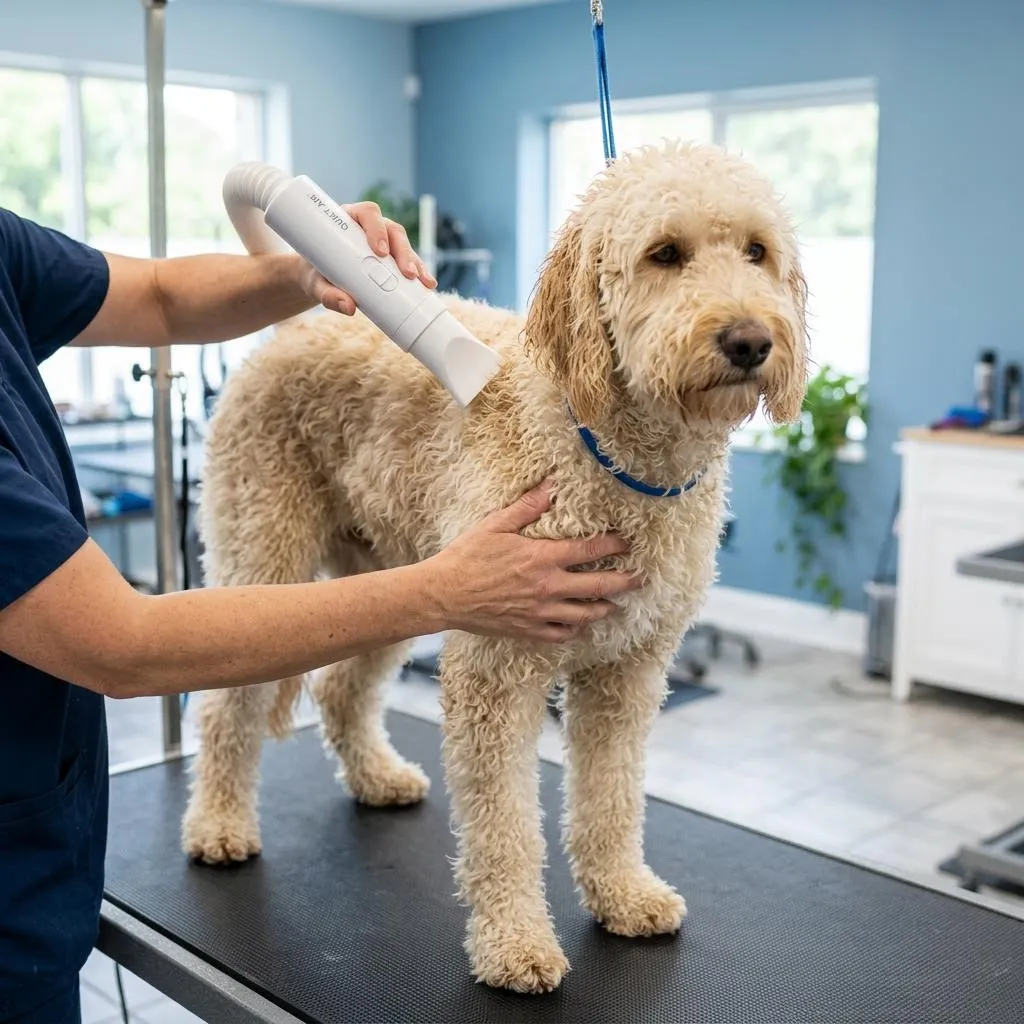
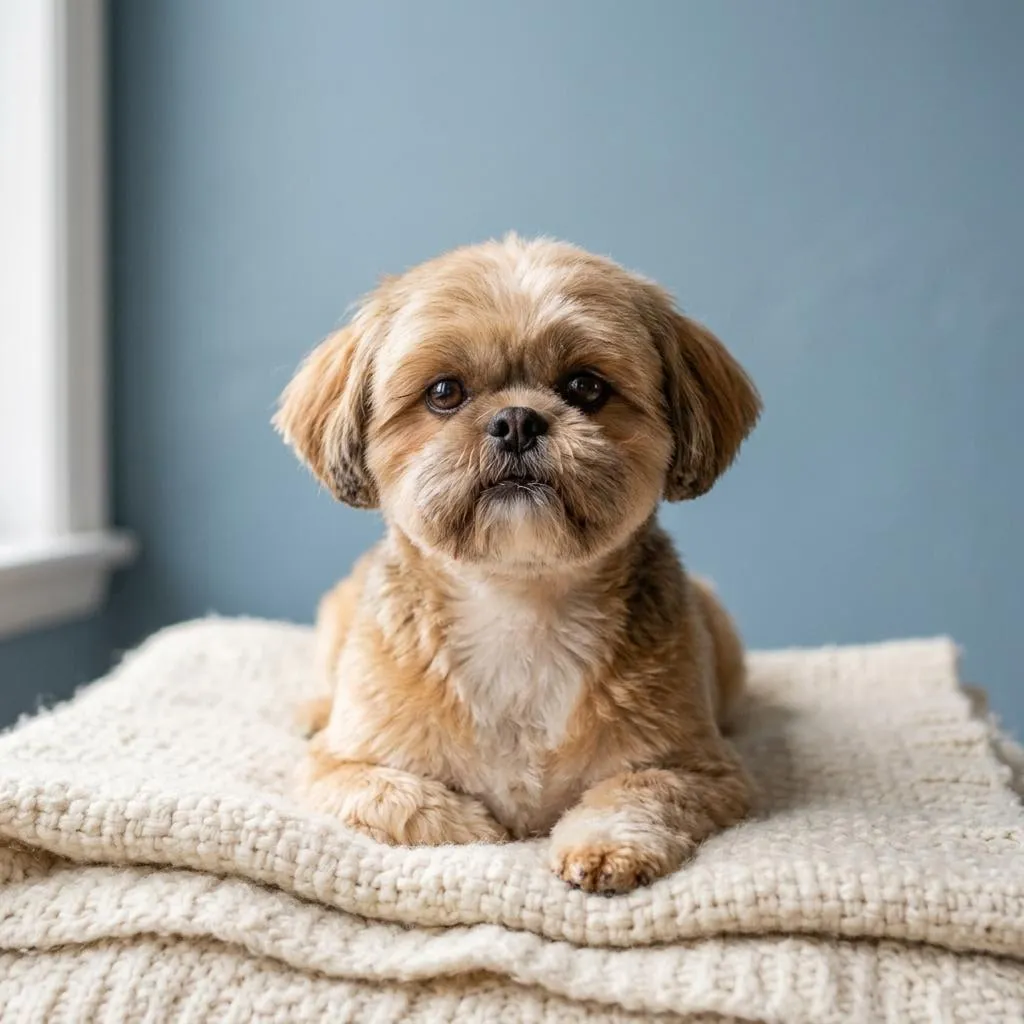
Illustrative photograph, not an example of The Fur Boutique’s own work.
“How much will it cost?” is usually the first question an owner asks a groomer, and it is a completely fair one. The honest answer, which can sound evasive at first, is that it depends. This guide explains exactly what it depends on, so that by the end you will understand why two dogs walking into the same salon on the same day can receive very different quotations, and how you can keep your own dog’s grooming affordable and comfortable. If you are in or around Beckenham and would like a quote for your own dog, our services and pricing page explains how we work, and you can always get in touch with details of your dog.
We are deliberately not going to list national average prices here. Figures quoted online are often out of date, vary hugely between regions and salon types, and tend to anchor owners to a number that may have nothing to do with their own dog. Instead, we will look at the real ingredients of a grooming price. Once you understand those, you will be able to compare quotes from any groomer sensibly.
WHY GROOMING IS PRICED BY THE DOG, NOT THE MENU
A haircut for a person is fairly predictable: one head, a known amount of hair, a client who sits still. Dog grooming is not like that. A groomer is bathing, drying, brushing, trimming nails, cleaning ears and styling a living animal who may wriggle, worry or need breaks. The time an appointment takes can range from under an hour for a small, smooth-coated dog to most of a day for a large, heavily coated breed with a full scissored finish.
Time is the single biggest cost in grooming. Products, towels, electricity for dryers, blade sharpening and equipment all matter, but most of what you pay for is the skilled, focused time of a trained person. Anything that changes how long your dog takes will change the price. That is why a reputable groomer will ask questions before quoting, and why a fixed price with no questions asked should make you curious rather than reassured.
THE SIX FACTORS THAT SHAPE A GROOMING QUOTE
1. SIZE AND BREED
Bigger dogs have more coat to wash and dry, and drying is often the longest stage of the whole groom. A thick-coated large breed can take far longer to dry thoroughly than a toy breed takes to groom from start to finish. Breed also hints at coat type, likely styles and how much hand finishing will be involved. Crossbreeds can be the hardest to predict: two cockapoos can have completely different coats, one closer to a spaniel, one closer to a poodle.
2. COAT TYPE
Coats fall broadly into a few families. Smooth coats, like a Labrador or a whippet, need bathing, a good brush and nail care. Double coats, such as those on retrievers, huskies and collies, have a dense undercoat that sheds seasonally and needs careful removal. Wool and curly coats, like poodles and many doodle crosses, grow continuously and need regular clipping and scissoring. Wire coats, found on many terriers, may be clipped or hand stripped. Silky coats, such as those on Yorkshire terriers and shih tzus, tangle easily and need patient brushing. Each type needs different tools, products and techniques, and some take considerably more time than others.
3. COAT CONDITION
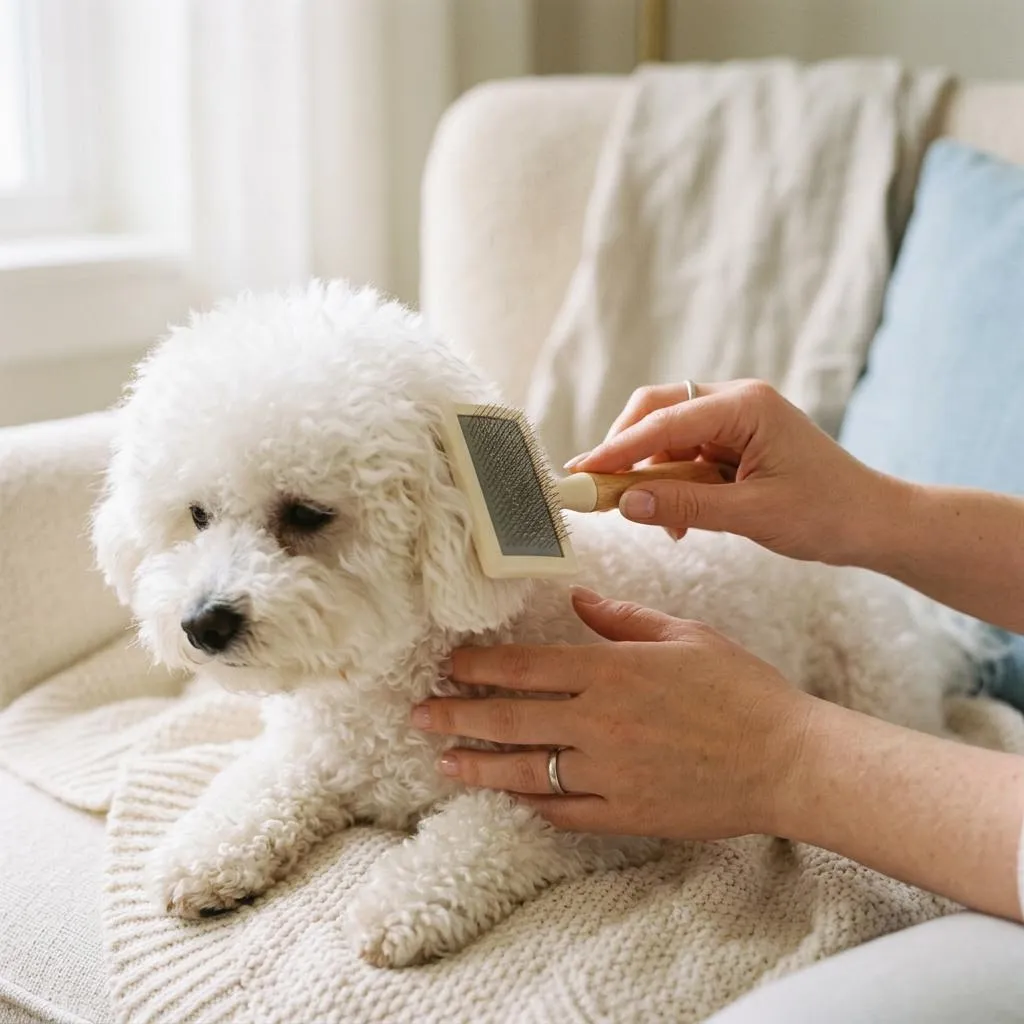
This is the factor owners have most control over and the one that most often changes a quote. A coat that has been brushed through to the skin regularly washes and dries quickly and can be styled exactly as you wish. A coat with tangles needs time to work through carefully. A coat with matting, where hair has knotted tightly against the skin, is a different matter altogether.
4. THE STYLE YOU WANT
A short, practical all-over clip is relatively quick. A fully hand-scissored teddy bear face, a breed-standard schnauzer outline or a fluffy poodle topknot takes far more skill and time. There is no right or wrong choice, but it is worth knowing that the style you choose has a direct effect on the price. Many owners settle on a practical style for everyday life and save more elaborate finishes for special occasions or cooler months.
5. TEMPERAMENT AND HANDLING NEEDS
Some dogs hop onto the table, stand beautifully and enjoy the fuss. Others are anxious, elderly, reactive about their feet, or still learning as puppies. Good groomers adapt to the dog in front of them, which might mean slower handling, frequent breaks, a quieter dryer setting or splitting work across two shorter visits. That extra care takes time. A groomer who builds it into the quote is choosing your dog’s comfort over speed, which is exactly what you want.
6. HOW OFTEN YOUR DOG IS GROOMED
Dogs that are groomed on a regular cycle tend to have coats in better condition, become more relaxed with handling and finish faster. Long gaps between appointments usually mean more tangles, more drying time and occasionally a shorter cut than you hoped for. Over a year, regular grooming can often work out more comfortable for the dog and more predictable for your budget than occasional, more intensive sessions.
WHAT IS USUALLY INCLUDED IN A FULL GROOM
When comparing quotations, make sure you are comparing like with like. A full groom at most professional salons typically includes a pre-groom check of the skin and coat, a bath with an appropriate shampoo and sometimes conditioner, a thorough dry, a full brush-out, clipping and or scissoring to the agreed style, a nail trim, an ear check and clean, a paw pad tidy and a hygiene tidy. Some groomers include extras such as teeth brushing or a finishing spray; others treat those as optional.
A bath and tidy, sometimes called a bath and brush, is a lighter appointment designed for dogs between full grooms or with coats that do not need cutting. Puppy introductions are shorter sessions focused on building confidence rather than achieving a finished haircut. Nail-only appointments are usually the quickest of all. Ask your groomer to explain exactly what each option includes so there are no surprises.
At The Fur Boutique, every quotation is explained before any work begins. If something unexpected appears during the groom, such as matting hidden close to the skin, we stop and talk to you before going any further.
MATTING: THE HIDDEN COST MOST OWNERS DO NOT SEE COMING
Matting deserves a section of its own because it is the most common reason for a surprise on grooming day. Mats form when loose hair and live hair twist together, often in friction areas: behind the ears, under the collar and harness, in the armpits, between the back legs and around the tail. They can be hidden beneath a coat that looks fluffy and fine on top.
Tight matting pulls on the skin every time a dog moves. It can trap moisture, dirt and parasites, and hide sores or skin infections. Animal welfare charities such as the RSPCA highlight grooming as part of meeting a dog’s needs, and the Animal Welfare Act 2006 (explained further in the government’s Code of Practice for the Welfare of Dogs) places a duty on owners to protect animals from pain, injury and disease. Persistent matting can cross that line.
Brushing out heavy matting is slow, uncomfortable and sometimes painful for the dog. In many cases the kinder and more ethical choice is to clip underneath the mats, removing the coat close to the skin and allowing it to grow back healthily with a better routine. This is sometimes described as putting humanity before vanity. It can feel disappointing to an owner who hoped for a fluffy finish, but a reputable groomer will always explain why it is the right call. Dematting, where it is possible, adds time and therefore cost, which is why it is usually quoted separately.
WHY PRICES DIFFER BETWEEN SALONS
Even for the same dog, quotations from different groomers can vary. That does not necessarily mean one is overcharging. Several things influence what a salon needs to charge:
- Training and qualifications. Groomers who have invested in recognised training, such as City & Guilds qualifications in dog grooming, have spent time and money learning safe handling, coat care and welfare. Information about the qualifications themselves is available from City & Guilds.
- Salon model. Large salons groom several dogs at once. Mobile groomers come to you. Home-based, one-to-one salons groom a single dog at a time. Each model has different costs and offers different benefits for different dogs.
- Time per dog. A groomer who schedules generous appointments, allowing for breaks and a calm pace, can see fewer dogs a day than one working at speed.
- Location. Overheads vary across the country and even across London boroughs.
- Products and equipment. Quality shampoos for sensitive skin, well-maintained clippers and low-noise dryers all carry a cost.
When you compare quotes, compare what you are getting: the time, the environment, the experience your dog will have and what is included, not just the final figure.
HOW TO KEEP GROOMING COSTS MANAGEABLE
The good news is that there is a lot you can do at home to keep your dog comfortable and your grooming bills predictable.
- Brush properly, not just on top. Use a slicker brush followed by a metal comb, working in sections down to the skin. If the comb glides through from root to tip, you are winning. The Kennel Club publishes breed-specific information that can help you understand your dog’s coat.
- Pay attention to friction areas. Harnesses, collars and coats rub. Check behind the ears, under the legs and around the tail several times a week.
- Dry your dog after swims and muddy walks. Damp coats mat faster, particularly curly and woolly coats.
- Book regularly. Agree a sensible interval with your groomer. Many continuously growing coats do well on a cycle of a few weeks rather than a few months.
- Choose a practical style. A slightly shorter, low-maintenance trim can make a big difference for busy households.
- Start young. Puppies who learn early that grooming is calm and safe grow into adult dogs who are quicker and easier to groom.
QUESTIONS TO ASK WHEN YOU REQUEST A QUOTE
A short conversation before booking saves misunderstandings later. Useful questions include:
- What exactly is included in the price?
- How long do you expect my dog to be with you?
- What happens if you find matting or a skin problem?
- Will my dog be groomed alone or alongside other dogs?
- How will you handle my dog if they become anxious?
- What grooming interval would you recommend for this coat?
A groomer who answers these openly, and who asks you plenty of questions in return, is usually one who takes care seriously. For more on that, read our guide to the signs of a good dog groomer.
A NOTE ON HEALTH AND YOUR VET
Grooming is not veterinary care, but groomers are often the first to notice lumps, sore skin, ear problems, overgrown nails or parasites, simply because they handle every inch of a dog. If a groomer suggests you speak to your vet, take it seriously. The PDSA and Blue Cross both offer reliable pet health information for owners. Treating a skin issue early can also make future grooms more comfortable and less costly.
THE BOTTOM LINE
Dog grooming costs are shaped by your dog’s size, coat type, coat condition, chosen style, temperament and grooming frequency. A fair quotation reflects the time and care your individual dog needs, explained honestly before work begins. The cheapest option is not always the kindest, and the most expensive is not automatically the best. What matters is a groomer who understands your dog’s coat, handles them with patience and talks to you openly.
If you are looking for a calm, one-to-one groomer in Beckenham BR3 or nearby, see how our services and quotations work, read our guide on how to find a good dog groomer near you, or contact us with your dog’s breed and coat details for an honest quote.
This article is general guidance for dog owners and is not a substitute for advice from your vet.