11 minute read
HOW TO FIND A GOOD DOG GROOMER NEAR ME
How to search, which questions to ask and how to judge a first appointment, so you find a groomer who suits your dog.
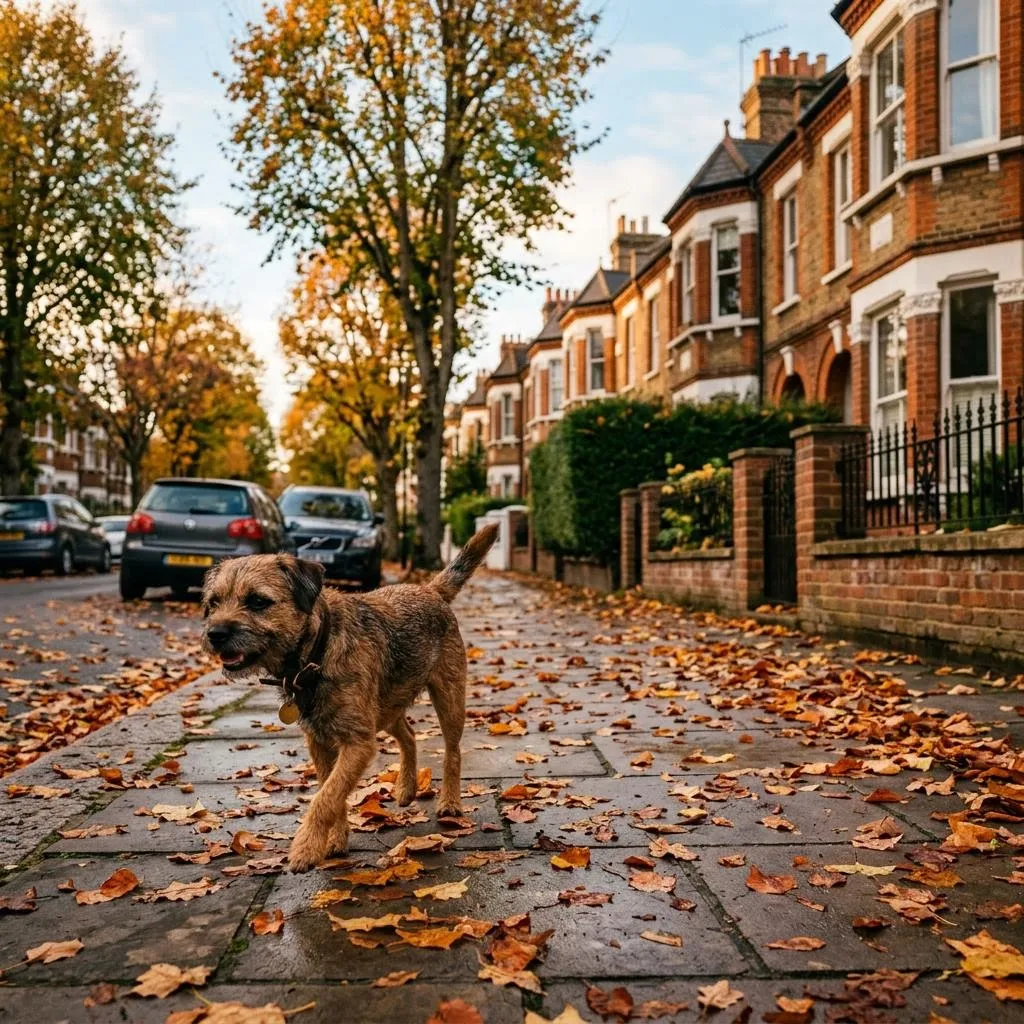
Illustrative photograph, not an example of The Fur Boutique’s own work.
Typing “dog groomer near me” into a search engine produces a long list of names, maps and star ratings, but very little help in deciding who you should actually trust with your dog. Grooming involves sharp tools, warm dryers, water, and a dog who is often away from their owner for hours. Choosing well matters. This practical guide walks through how to search, what to check, which questions to ask and how to judge a first appointment, so that you can find a groomer who suits your dog rather than simply the one closest to your door. If you are near Beckenham BR3, you can learn about our one-to-one approach or send us an enquiry at any point.
There is no single “best” groomer for every dog. A confident young labrador and a nervous elderly bichon need very different things. The aim is to match your dog’s needs to the right person and the right environment.
START WITH YOUR DOG, NOT THE SEARCH RESULTS
Before you look at a single listing, spend five minutes thinking about your dog. The answers will shape which groomers are worth contacting.
- What type of coat do they have? Curly, woolly, wiry, silky, double or smooth coats all require different skills. Some groomers specialise in particular coat types, such as hand stripping for terriers.
- How do they cope with noise and other dogs? Some dogs are relaxed in a busy salon. Others become overwhelmed by barking and dryers and will do far better one-to-one.
- Do they have health considerations? Arthritis, skin allergies, heart conditions, deafness or sight loss all influence how a dog should be handled and how long they can comfortably stand.
- How old are they? Puppies need gentle introductions. Senior dogs may need shorter sessions, non-slip surfaces and frequent rests.
- What does your routine allow? Think about how far you can travel and how often you can realistically bring them.
UNDERSTAND THE DIFFERENT TYPES OF GROOMER
Grooming businesses broadly come in a few shapes. None is automatically better, but each suits different dogs.
HIGH-STREET AND RETAIL SALONS
Larger salons often have several groomers and multiple dogs on site at once. They can offer flexible appointment times and are used to high volumes. Dogs may wait in kennels or crates before and after their groom. Confident, sociable dogs often manage well.
MOBILE GROOMERS
Mobile groomers work from a converted van parked outside your home. Your dog travels nowhere and is usually groomed alone. Space is compact, and some dogs find the van environment unfamiliar, but many owners value the convenience.
HOME-BASED AND ONE-TO-ONE SALONS
Home-based salons operate from a dedicated room or space at the groomer’s property. Many work strictly one-to-one, meaning only one dog is present at a time. The environment tends to be quieter and calmer, which can make a significant difference to anxious, reactive, young or elderly dogs. This is the model The Fur Boutique follows in Beckenham.
HOW TO SEARCH EFFECTIVELY
A good search combines online research with good old-fashioned local knowledge.
- Be specific in your search. Instead of “dog groomer near me”, try including your postcode or area along with your needs, for example “one-to-one dog groomer BR3” or “groomer for nervous dogs Beckenham”.
- Look beyond the top result. The first listings are often adverts or simply the businesses with the largest marketing budgets. Small independent groomers can be excellent and still sit further down the page.
- Read reviews thoughtfully. Look for detail about how dogs were handled and how the groomer communicated, not just star ratings. A single negative review is less telling than a consistent pattern. Also look at how a groomer responds to criticism.
- Check social media. Many groomers share their everyday work on Instagram or Facebook. Look for consistency, clean surroundings, relaxed dogs and realistic results across many different breeds.
- Ask locally. Other dog walkers in the park, your vet practice, local dog trainers and community groups often have well-informed recommendations.
CHECK TRAINING AND QUALIFICATIONS
Dog grooming in the UK is not currently licensed in the same way as boarding or breeding. That means anyone can call themselves a groomer, which makes it especially important to ask about training. Recognised qualifications include City & Guilds certificates and diplomas in dog grooming, which cover safe handling, health checks, coat and skin knowledge, styling technique and hygiene. You can read about the structure of these qualifications on the City & Guilds website. Industry bodies such as the Pet Industry Federation also publish guidance and codes of practice for grooming businesses, and the government’s Code of Practice for the Welfare of Dogs sets out the welfare needs every dog carer should meet.
Qualifications are not everything. Experience, temperament and a genuine care for dogs matter enormously. But formal training shows that a groomer has been assessed against recognised standards and has invested in learning to do the job safely. It is entirely reasonable to ask what training a groomer has completed.
Grooming at The Fur Boutique is City & Guilds qualified, and we are always happy to talk about how that training shapes the way your dog is handled.
QUESTIONS TO ASK BEFORE YOU BOOK
A short phone call or message tells you a great deal. Good groomers welcome questions and ask plenty of their own. Here are the questions worth asking:
- What grooming training and qualifications do you have?
- Will my dog be groomed alone, or alongside other dogs?
- Will my dog spend time in a crate or kennel? For how long?
- How do you dry dogs? Are cage dryers ever left unattended?
- How do you handle a dog who becomes stressed or frightened?
- What happens if you find matting, sore skin or a lump?
- How is the price worked out, and what is included?
- Roughly how long will my dog be with you?
- Do you need my dog to be vaccinated and treated for fleas?
Listen not only to the answers but to the tone. Are they patient? Do they ask about your dog’s health and personality? Do they explain things clearly without being defensive? A groomer who wants to understand your dog before quoting is usually a groomer who will treat them as an individual.
VISIT OR MEET BEFORE THE FIRST GROOM
Where possible, ask whether you can see the grooming space or meet the groomer briefly beforehand. Some salons offer short introductory visits, especially for puppies and nervous dogs. Notice the environment:
- Is it clean, tidy and free of strong unpleasant smells?
- Are tables secure, with non-slip surfaces?
- Are dogs restrained safely and never left unattended on a table?
- How noisy is it?
- Do the dogs present seem relaxed or distressed?
Your dog’s reaction counts too. A little uncertainty in a new place is normal, but you know your dog better than anyone.

MAKING THE FIRST APPOINTMENT A GOOD ONE
The first visit sets the tone for every visit after it. A few simple steps help your dog start well:
- Share everything. Tell the groomer about allergies, medication, previous injuries, sensitive areas and any bad grooming experiences in the past.
- Agree the style clearly. Photos help, but be open to the groomer’s advice about what the coat can realistically achieve today.
- Walk them first. A walk and a toilet break before the appointment helps your dog settle.
- Keep the handover calm. Long, emotional goodbyes can unsettle dogs. A cheerful, brief handover is kinder.
- Be reachable. Keep your phone nearby in case the groomer needs to ask a question.
For puppies, a gentle introduction session before a full groom is ideal. The Dogs Trust offers useful advice on helping puppies and dogs become comfortable with handling at home, which makes professional grooming far easier.
WHAT TO LOOK FOR AT COLLECTION
When you pick your dog up, take a moment before rushing off. Your groomer should tell you how the session went, mention anything they noticed such as skin irritation, ear problems or new lumps, and explain any changes from the planned style. A tired but relaxed dog is normal. A dog who is extremely distressed, has nicks or clipper rash that were not explained, or a groomer who is vague about what happened, are reasons to ask questions.
Over the next day or two, watch for scratching, redness or unusual behaviour. Mild sensitivity can follow a close clip, especially after matting has been removed, but anything that worries you is worth discussing with your groomer or vet. The PDSA has helpful guidance on when to seek veterinary advice.
MATCHING THE GROOMER TO YOUR DOG’S LIFE STAGE
The right groomer for your dog may change over the years. A bouncy adolescent may cope happily in a lively salon, while the same dog at twelve years old, with stiff hips and fading hearing, may be far happier somewhere quiet where they can lie down between stages. It is worth reviewing your choice every so often rather than assuming the groomer who suited your puppy will suit your senior.
For puppies, look for a groomer who offers short introduction sessions and is happy to go slowly. The goal of those early visits is not a perfect haircut but a positive memory: being lifted gently, hearing the dryer at a distance, having paws held and a comb run through the coat, all followed by praise. A puppy who learns that grooming is safe and predictable is likely to become an adult who is easier, quicker and happier to groom for the rest of their life.
For older dogs, ask about non-slip surfaces, how the groomer supports dogs who cannot stand for long, and whether they will split work into shorter sessions if needed. Senior dogs may also have lumps, thinning skin or dental issues that need gentle handling. A groomer who asks about your older dog’s health, and who is willing to stop and recommend a vet check, is one who is thinking about welfare first.
Dogs with a history of fear or reactivity deserve particular care. Explain openly what has happened in the past, even if it feels awkward. A good groomer will not judge; they will use the information to plan a calmer appointment, perhaps booking a quieter time of day, allowing extra breaks or keeping the first visit deliberately short.
RED FLAGS TO WATCH FOR
- Reluctance to answer questions about training, handling or drying methods.
- No questions about your dog’s health or temperament before booking.
- Guaranteeing a fluffy finish on a heavily matted coat.
- Very long stays with no clear reason.
- Refusing to let you see where your dog will be groomed, with no explanation.
- Pressure to book immediately or pay large sums up front.
BUILDING A LONG-TERM RELATIONSHIP
The best grooming relationships last for years. A groomer who sees your dog regularly learns their quirks, notices changes in their health and builds trust visit by visit. Once you find someone your dog is comfortable with, regular appointments on a sensible cycle keep the coat healthy and the experience familiar. Brushing at home between visits helps enormously too; our guide to what affects dog grooming costs explains why.
Keep a brief note after the first appointment. Record the agreed trim, any areas your dog found difficult, the brushes recommended and the date suggested for the next visit. At the following appointment, tell the groomer what worked at home and what did not. For example, a longer leg trim may look lovely but prove hard to comb after muddy walks. Asking for a more practical finish is sensible, not a failure. Good communication lets the groomer adjust the plan as your dog’s coat, health and daily routine change. You should feel comfortable asking for clear explanations rather than agreeing to a service you do not understand.
IN SUMMARY
Finding a good dog groomer near you means starting with your dog’s needs, understanding the different types of salon, searching thoughtfully, checking training, asking clear questions and watching how your dog responds over the first few visits. Proximity is helpful, but trust is essential.
To go deeper, read our checklist of the signs of a good dog groomer. If you are in Beckenham, BR3 or the surrounding Greater London and Kent border area and would like a calm, one-to-one groom, explore our grooming services or contact us to talk about your dog.
This article is general guidance for dog owners and is not a substitute for advice from your vet.