11 minute read
SIGNS OF A GOOD DOG GROOMER
Ten clear signs that a groomer puts welfare, honesty and skill first, with a checklist to take to your next booking.
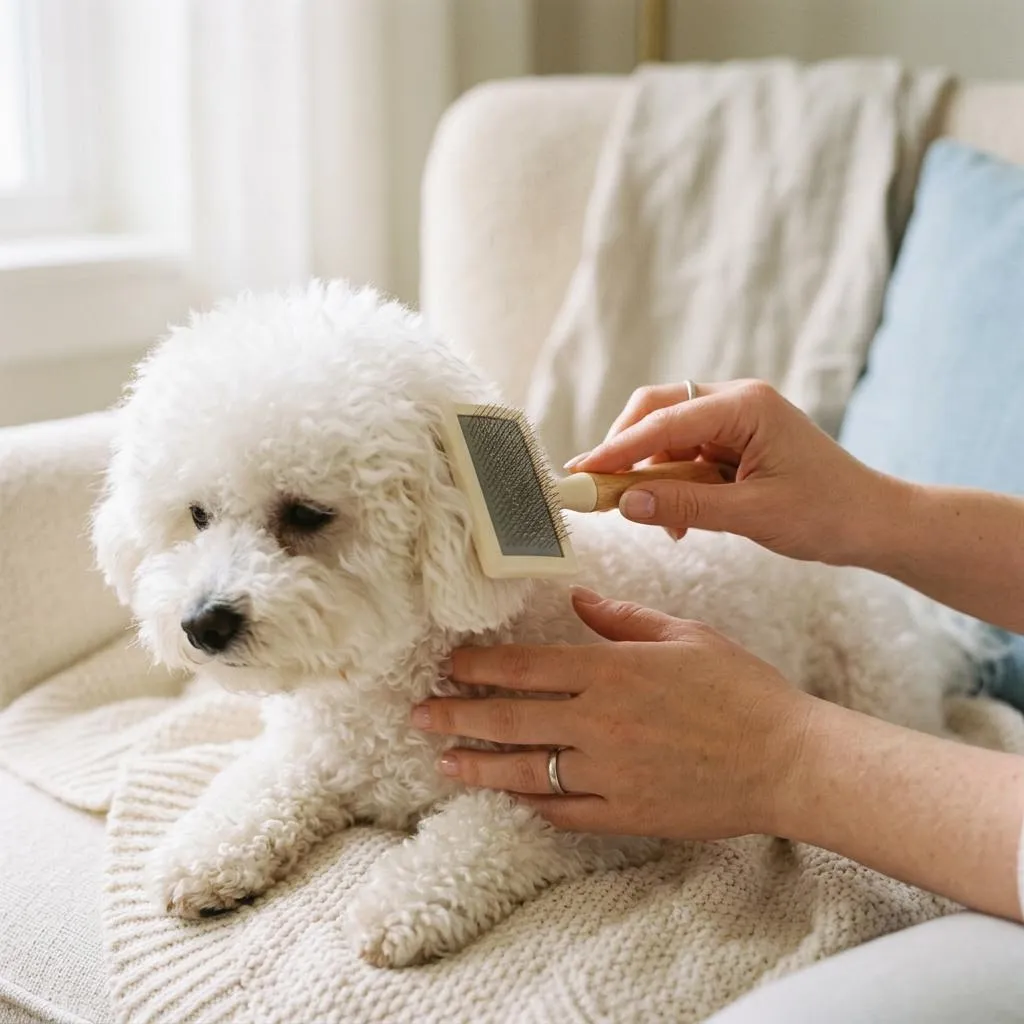
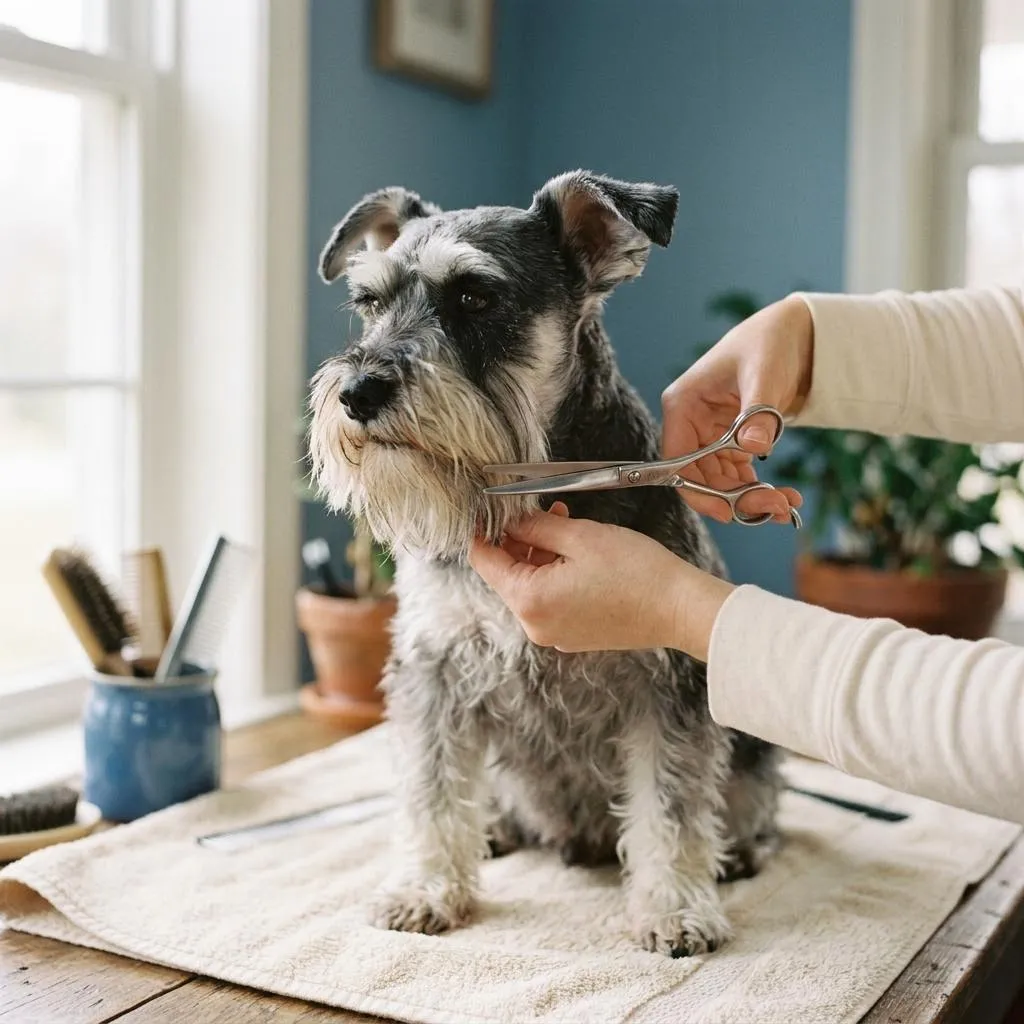
Illustrative photograph, not an example of The Fur Boutique’s own work.
You hand over your dog’s lead, walk away, and trust that the next few hours will be kind ones. Most owners never see what happens on the grooming table, so it can be hard to know whether a groomer is genuinely good or simply produces a nice-looking finish. The truth is that the best signs of a good dog groomer are often found in the small things: the questions they ask, how they speak about dogs, how they handle a nervous paw and how honest they are when something is not right. This guide sets out those signs clearly. If you are still at the searching stage, our guide on how to find a good dog groomer near you is a helpful companion, and you can read about how The Fur Boutique works in Beckenham.
A beautiful haircut matters, of course. But a good groomer is someone who leaves your dog comfortable, healthy and willing to come back. Appearance is the last item on the list, not the first.
1. THEY ASK ABOUT YOUR DOG BEFORE THEY QUOTE
A good groomer is curious. Before naming a price or a time, they will want to know your dog’s breed or cross, age, coat condition, when they were last groomed, any health conditions, medication or allergies, and how your dog feels about being handled. They may ask for a photo. These questions are not a formality; they shape how long the appointment needs to be, which products to use and how to handle your dog safely.
A groomer who quotes instantly without asking anything is not necessarily bad, but they are making assumptions. Assumptions are where problems start.
2. THEY ARE TRAINED AND HAPPY TO TALK ABOUT IT
Because dog grooming in the UK is not currently subject to a mandatory licence, training varies enormously. A good groomer will have invested in recognised training, such as City & Guilds qualifications, which cover practical skills alongside anatomy, skin and coat health, safe handling, first aid awareness and hygiene. You can read more about these qualifications from City & Guilds.
Just as important, a good groomer is open when you ask. They will happily explain their training, how they keep learning and why they work the way they do. Defensiveness about training is a sign worth noting.
3. YOUR DOG’S WELFARE COMES BEFORE THE HAIRCUT
This is the single most important sign. A good groomer will put your dog’s comfort and health ahead of achieving a particular look, even when that means disappointing you a little.
The clearest example is matting. If a coat is badly matted, brushing it out can be slow and painful. A good groomer will explain this, recommend clipping the coat short underneath the mats and help you plan a routine so it can grow back healthily. They will not force a dog through hours of dematting simply because an owner wanted to keep the length. The RSPCA’s dog welfare guidance is a useful reminder that grooming is part of protecting a dog from pain and discomfort, and the Animal Welfare Act 2006 (explained further in the government’s Code of Practice for the Welfare of Dogs) sets out the legal duty of care owners carry.
Welfare-first decisions also include stopping a groom if a dog becomes too distressed, pausing for breaks, and refusing to continue if they discover a health problem that needs a vet first.
4. CALM, CONFIDENT HANDLING
Watch how a groomer greets your dog. Good groomers tend to move calmly, speak quietly and let a dog approach and sniff before touching. They handle legs and paws with care, supporting joints rather than pulling. They notice the small signals dogs use to show stress, such as lip licking, yawning, turning away, whale eye, trembling or a tucked tail, and adjust what they are doing in response. Organisations such as the Blue Cross and Dogs Trust publish accessible guides to reading dog body language, which are well worth reading as an owner.
Good handling is never rough, never rushed and never involves punishment. Safety restraints such as grooming loops should be used correctly, and a dog should never be left unattended on a table or in a drying cage.
At The Fur Boutique, only one dog is in the salon at a time, so breaks can happen whenever your dog needs them rather than when the diary allows.
5. SAFE DRYING PRACTICES
Drying is one of the most overlooked parts of grooming and one of the most important for safety. Heated cage dryers, if used, must be monitored closely, because dogs can overheat quickly, particularly flat-faced breeds, elderly dogs and those with heart or breathing conditions. A good groomer will explain how they dry dogs, will avoid unattended heated drying, and will choose methods suitable for your dog’s coat, size and temperament. Many groomers use high-velocity dryers carefully, with ears protected and the airflow kept away from the face.
Do not be shy about asking. It is one of the best questions you can put to any groomer.
6. A CLEAN, ORGANISED SPACE
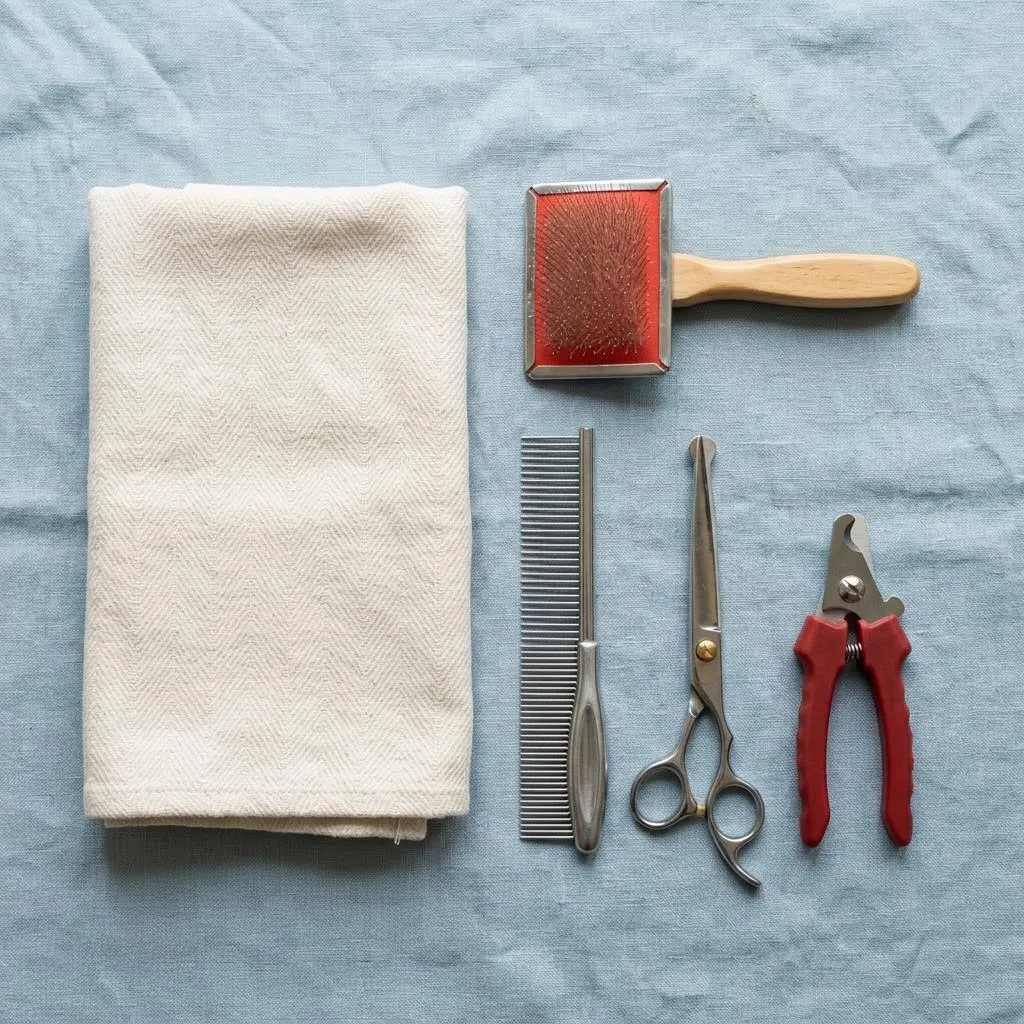
Hygiene protects dogs from skin infections, parasites and contagious illnesses. A good salon is clean, smells fresh rather than of heavy perfume masking odours, and has tools that are cleaned and disinfected between dogs. Blades should be sharp and well maintained; blunt blades pull hair and can cause clipper rash. Towels should be fresh for each dog. Tables should be secure and non-slip.
A good groomer will also ask that dogs are up to date with vaccinations and parasite treatment, in line with your vet’s advice, to protect every dog that visits.
7. HONEST, CLEAR COMMUNICATION
Good groomers talk to you. Before the groom, they agree the style with you and explain what is realistic for your dog’s coat. If something changes during the appointment, such as hidden matting or a sore area, they call you rather than making a big decision alone. At collection, they tell you how your dog behaved, mention anything they noticed and give you practical advice for home care.
Honesty extends to pricing. A good groomer explains how quotes are worked out, tells you about any changes before they happen, and does not surprise you with unexplained extras. Our guide to how much dog grooming costs explains the factors involved.
8. THEY KNOW COATS, NOT JUST CUTS
Anyone can learn to run clippers over a dog. A good groomer understands why coats behave the way they do. They know that double coats protect against both heat and cold and are usually best not shaved. They know that wire coats may be hand stripped to keep texture and colour. They understand that silky and curly coats need different products, and that some skin is sensitive to certain shampoos. The Kennel Club provides breed information that reflects how varied coat needs can be.
This knowledge shows up in the advice they give you: the right brush for your dog, how often to book, and what to look out for at home.
9. THEY NOTICE HEALTH CHANGES
Groomers handle every part of a dog, which puts them in a unique position to notice early warning signs: lumps, hot spots, ear infections, sore paws, overgrown nails, dental problems or parasites. A good groomer will point these out calmly and suggest you speak to your vet, without attempting to diagnose. Charities such as the PDSA offer clear advice on when a vet visit is needed.
10. YOUR DOG IS HAPPY TO GO BACK
Perhaps the most honest review of any groomer is your dog. Over time, a dog groomed by someone kind and skilled usually becomes more relaxed with each visit. They may pull towards the door, greet the groomer warmly or settle quickly on the table. Some nervous dogs will always find grooming a little challenging, but a steady improvement in confidence is a very good sign.
If your dog becomes increasingly fearful, comes home exhausted and distressed every time, or shows new signs of discomfort being handled, it is worth talking to your groomer and considering whether a different environment, such as a quieter one-to-one salon, might suit them better.
WHAT A GOOD GROOMER WILL ASK OF YOU
Good grooming is a partnership, and the best groomers are clear about what they need from owners too. Expect to be asked for honest information about your dog’s health and behaviour, including anything that has gone wrong at a previous salon. Expect to be asked to keep vaccinations and parasite treatment up to date, in line with your vet’s advice. Expect gentle encouragement to brush at home between visits, and perhaps a demonstration of how to do it properly, working through the coat to the skin rather than just smoothing the top.
You may also be asked to agree to sensible decisions in advance: that the groomer can stop if your dog becomes distressed, that a matted coat may need to be clipped short, or that a health concern will be flagged for your vet before grooming continues. These requests are not a groomer covering themselves; they are a groomer making sure they can always act in your dog’s best interests on the day.
Some owners feel a little defensive when a groomer raises matting or overgrown nails. It helps to remember that a good groomer is not criticising you. Coats can change quickly, particularly with crossbreeds, seasonal shedding or a busy few weeks at home. What matters is the plan from here, and a good groomer will help you build one that is realistic for your household.
WHY THE ENVIRONMENT MATTERS AS MUCH AS THE GROOMER
Even an excellent groomer works better in the right setting. Noise, crowding and long waits all raise a dog’s stress levels before grooming even begins. Some dogs barely notice; others arrive at the table already overwhelmed. That is why many owners of nervous, young or elderly dogs choose a one-to-one or home-based salon, where only one dog is present at a time and the pace can follow the dog rather than the diary.
When you assess a groomer, look at the whole experience your dog will have: how long they will wait, whether they will be crated, how many other dogs will be present, how loud the room is and how quickly they will be collected once finished. The government’s welfare code reminds us that dogs need a suitable environment and protection from fear and distress, and grooming is no exception.
A good groomer will be open about all of this. They will tell you honestly whether their setting suits your dog, and if it does not, they will say so rather than take the booking anyway. That honesty is, in itself, one of the strongest signs of all.
A QUICK CHECKLIST
- Asks about your dog’s health, coat and temperament before quoting.
- Has recognised training and is open about it.
- Puts comfort and welfare ahead of appearance.
- Handles dogs calmly, patiently and safely.
- Uses safe, supervised drying methods.
- Keeps a clean, well-organised space and well-maintained tools.
- Communicates honestly about pricing, style and problems.
- Understands coat types, not just haircuts.
- Notices and reports health changes sensibly.
- Has dogs who become more relaxed visit after visit.
FINAL THOUGHTS
A good dog groomer is part craftsperson, part carer and part early warning system for your dog’s health. The signs are there if you know where to look: thoughtful questions, honest answers, gentle hands and a dog who comes home content.
If you are in Beckenham BR3 or the surrounding Greater London and Kent border area and would like a calm, one-to-one grooming experience, take a look at our grooming services, or contact The Fur Boutique to tell us about your dog.
This article is general guidance for dog owners and is not a substitute for advice from your vet.